

STEP 1 – Discover What's Really Happening
Using the 48-Hour Observer Method, you'll identify when your child uses screens, what they're doing, and how their mood changes – so you can spot patterns instead of constantly reacting.

TikTok, YouTube, games and social media are designed to keep your child hooked. Discover what's really driving your child's screen use and follow a practical, 5-step plan to break the cycle and build healthier screen habits!
Does any of this sound familiar?
You ask again. And again. Until you're raising your voice just to get a response.
There's always one more TikTok, YouTube video, or game.
Shouting, slammed doors, and another family argument over screen time.
Your child promises to change, follows the rules for a few days… then goes right back to old habits.
Late nights, trouble concentrating, less time outdoors or with friends — and more time glued to a screen.
Shorter conversations. Quieter family dinners. Getting their attention feels harder than ever.

You give a heads-up. You explain why it’s time to put the phone away. By the third reminder, you’re raising your voice. You both wanted a calmer evening.
Let’s look at what happens between the first reminder and the third.
Imagine two 13-year-olds who both spend four hours a day on their phones.
The first child puts their phone down at dinner, spends time with friends, and enjoys life beyond screens.
The second child refuses to stop, has lost interest in other activities, and reacts with anger when their phone is taken away.
Same four hours. Two completely different situations.
Because the question isn't just HOW MUCH time your child spends online.
It's WHY they keep going back.
Based on his clinical experience and research into problematic screen use, Nils Konstantinovs identifies 4 common patterns behind children's screen habits.
Your child scrolls or games to escape stress, anxiety, or uncomfortable feelings.
Group chats, social media and online games are where their friendships happen. Disconnecting can feel like being left out.
Your child may struggle at school or socially, but gaming gives them achievement, confidence, and recognition.
Sometimes there isn't a deeper emotional problem. Endless scrolling, autoplay and personalized algorithms simply make stopping difficult.
Your child may experience one of these patterns – or several at once.
A child escaping anxiety may need a different approach from one who's afraid of missing out on friendships.
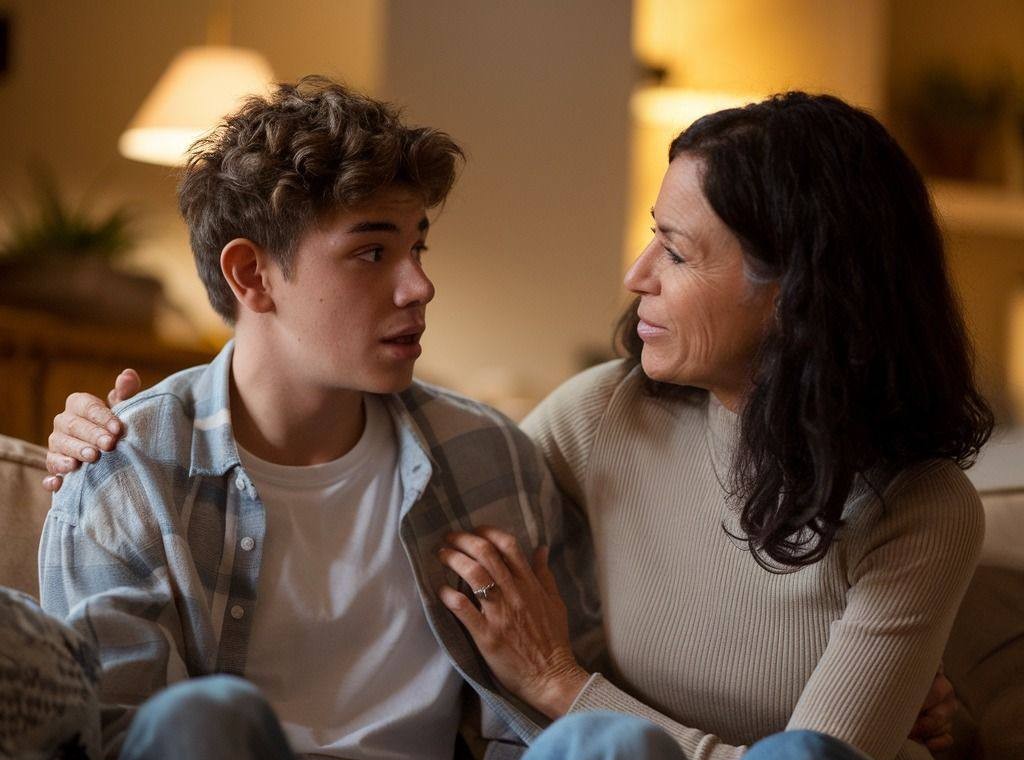
Here's what you can start working towards with The 21-Day Screen Reset:

Imagine calling them for dinner without repeating yourself five times, raising your voice, or threatening punishment.
Learn to create clear, realistic boundaries together – instead of constantly enforcing restrictions.
Help your child find a healthier balance between technology, school, sleep, friendships, and family time.
Build communication where your child feels understood, is more willing to cooperate, and knows they can come to you when something goes wrong.
It's to help them build a healthier relationship with it – while bringing more peace and connection back into your family.
And The 21-Day Screen Reset gives you a practical plan to get started.
Using the 48-Hour Observer Method, you'll identify when your child uses screens, what they're doing, and how their mood changes – so you can spot patterns instead of constantly reacting.
Use The Screen Motivation Profile to understand what's driving YOUR child's screen use – and which approach may fit their situation.
Learn practical conversation techniques for handling refusal, defensiveness, and “Everyone else is allowed!” – without turning every discussion into an argument.
Build a Family Digital Agreement together, covering screen-time limits, phone-free spaces, online safety, and consequences.
You'll also learn the 10-Minute Anchor Moment to strengthen your daily connection.
Learn to handle setbacks, stay calm when boundaries are challenged, repair arguments, and recognize when professional support is needed.
Small, manageable steps you can start using at home.
Week 1
Identify what's driving your child's screen habits.
Week 2
Change how you approach screen-time conversations.
Week 3
Establish healthier boundaries and routines.
Meet Your Expert – Nils Konstantinovs

I've met hundreds of parents who've tried everything to get their child off their phone.
Time limits. Parental controls. Punishments. Rewards. Taking the phone away.
And still, the same arguments return.
In my clinical work, I've learned that the solution isn't always stricter rules.
It's understanding what the screen provides for your child – and why stopping feels so difficult.
That's why I created The 21-Day Screen Reset.
To give parents practical tools to understand their child's behavior, build healthier screen habits, and reduce conflict at home.
Because the goal isn't to control your child's screen time forever.
It's to help them learn to manage it themselves – while keeping your relationship strong.
— Nils Konstantinovs
Simple tools you can start applying at home right away.
With 5 short video lessons, a practical workbook, and your 21-Day Action Plan, you'll have a clear path to follow – one manageable step at a time.
Start today. Take the first step toward fewer screen-time arguments, healthier boundaries, and a better connection with your child.
Hundreds of families have turned to Nils Konstantinovs for help with their children's screen use, gaming habits, and difficult behavior around technology.
“Every ‘put your phone down’ used to turn into an argument. Nils helped us try a different approach. We still have tricky evenings, but it’s no longer the same fight every night.”
“I used to see the phone as the enemy. Once I understood what my son was actually getting from it, I stopped confiscating and started talking. The change in our home is bigger than I expected.”
“We now agree on screen rules together instead of me announcing them. My daughter keeps her side of the deal most nights, and our conversations don’t end in shouting anymore.”

Regular Price: €49
SPECIAL LAUNCH OFFER – FIRST 100 PARENTS ONLY!
€19One-time payment. No subscription.
Watch the lessons and start using the methods at home.
If you decide the program isn't right for you, contact us within 14 days of your purchase for a full refund. No questions asked!
The 21-Day Screen Reset is designed for parents of children and teenagers aged 10–18.
Whether your child spends hours on TikTok, YouTube, gaming, or social media, you'll learn how to better understand and manage their screen habits.
That's exactly why this program was created.
Instead of adding more restrictions, you'll learn WHY your child struggles to disconnect – and how to choose an approach that fits their needs.
You can start making changes even if your child isn't cooperating yet.
Learn to respond differently, communicate more effectively, and involve your child in creating realistic screen-time boundaries.
Just 5 video lessons, each 15 minutes or less, plus manageable daily steps from your 21-Day Action Plan.
No complicated routines or hours of studying.
21 days is a starting point, not a guarantee that every problem will disappear overnight.
You'll learn practical methods to improve communication, set healthier boundaries, and start changing habits you can continue working on.
The program offers general parenting strategies but doesn't diagnose or treat ADHD, autism, anxiety, or other mental health conditions.
If your child has serious emotional or behavioral difficulties, major disruptions to daily life, violence, or self-harm, seek qualified professional support.
Yes! Your purchase includes a 14-Day Money-Back Guarantee.
If it's not right for you, contact us within 14 days of purchase for a full refund.
No questions asked!
Stop guessing what to do. Start understanding your child – and take the first step toward healthier screen habits and a calmer family life.
Regular Price: €49
SPECIAL LAUNCH OFFER – FIRST 100 PARENTS ONLY!
€1914-Day Money-Back Guarantee